

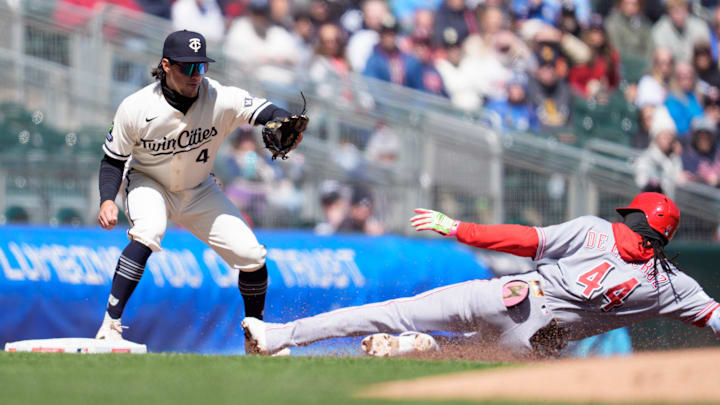
The Minnesota Twins had chances in every game of this series against the Cincinnati Reds. And late in each one, it slipped. This wasn’t about one bad inning or one moment. It was a pattern—defensive mistakes, bullpen struggles, and missed chances at the plate, all showing up when the game was on the line. That’s how winnable games quickly turn into a three-game sweep and, suddenly, the Twins find themselves back at .500.
How It Fell Apart Late
Each game followed the same unfortunate path: The Twins stayed in it, the starters did their job—the opportunity to win was there. Then, in the late innings, everything changed. The defense struggled, and the bullpen couldn't hold. The offense that had roared to life against the Red Sox didn't create separation when it had the chance. Let's take a closer look at this frustrating series.
Poor Defense at the Worst Time
The defensive mistakes weren’t overwhelming in volume, but they showed up when it mattered. The Twins committed four errors in the series, three of them coming in the April 19 game alone. And in the 10th inning, it all came apart in one sequence. Tristan Gray couldn’t finish a play at third, and the ball got through into shallow left. What should have been an out turned into a problem. Then Austin Martin couldn’t handle it cleanly, dropping it twice trying to pick it up. Two costly mistakes on one play, and suddenly the inning is extended. Three runs would eventually score that inning, one directly because of that play. That’s the difference.
Earlier in the series, Brooks Lee had a defensive miscue of his own in Saturday’s game—another routine play that wasn’t made, extending the inning and directly leading to the game-winning run. And it raises a larger question. Lee hasn’t just had an isolated mistake in this series—he’s been trending below league average defensively at shortstop. That concern goes back to last season, when there were already questions about whether he can stick at the position long term. Shortstop demands range, consistency, and the ability to turn routine plays into automatic outs. Right now, that reliability isn’t there consistently enough.
Brooks Lee was never a Good defender but he has somehow gotten worse this year
— aidan (4.3% FC) 🌊 (@MVPrielipp) April 20, 2026
@ SS in 2025: -1 OAA in 595 innings
@ SS in 2026: -3 OAA in only 152 innings
What happened man? The back?
All in all, these late-inning miscues weren’t impossible plays. They were routine chances that weren’t completed—and they came at the worst possible time, with the game on the line. That’s the theme of the series. Not constant defensive issues, but the kind that show up late and change outcomes. In a series this tight, you don’t need a lot of mistakes—just a few in the wrong moments.
Wasting Good Starts
Let's be clear about something: the starting pitching did more than enough to win this series. Joe Ryan gave them another steady outing and kept the game where it needed to be. On April 18, Taj Bradley did the same—nothing flashy, just competitive innings and a chance to win. Bailey Ober may have been the best of the three, missing bats and leaving the game in position to be finished. And, considering the last piece I wrote on Ober on March 30, this was great to see.
Joe Ryan (April 17) - 6.0 IP, 1 ER, 3 H, 0 BB, 6 K
Taj Bradley (April 18) - 6.0 IP, 2 ER, 5 H, 2 BB, 5 K
Bailey Ober (April 19) - 6.1 IP, 0 ER, 3 H, 4 BB, 10 K
Twins got swept by the Reds despite starters Joe Ryan, Taj Bradley, and Bailey Ober allowing three earned runs in 18 1/3 innings for a combined 1.47 ERA.
— Aaron Gleeman (@AaronGleeman) April 19, 2026
Bullpen and defense were rough, and the lineup went 6-for-35 (.171) with runners in scoring position.
Back to .500 at 11-11.
Three games where the starter did his job, and none of them turned into wins.
That’s where the bullpen comes in—and where things really fell apart. Once the ball left the starter’s hand, the games didn’t hold. Leads didn’t hold. Tie games didn’t stay tied. It wasn’t one big blow-up every time—it was just enough, over and over. A walk, a missed spot, a pitch that needed to be executed and wasn’t. And it’s not like this came out of nowhere. This was a concern coming into the season—a lack of reliable high-leverage arms in the bullpen.
You saw it play out in this series. In Saturday’s game alone, the Twins had the lead or were within one run when the starter exited, and the bullpen gave up runs in the late innings to flip the game. That’s not about roles or adjustments. That’s about getting outs. If your bullpen can’t lock down the final innings, it doesn’t matter how well your starter throws. No game is ever out of reach for the other team.
It shows up in the numbers, too. The bullpen entered Saturday already struggling, sitting 21st in ERA at 4.78. By the end of the game, it had climbed to 4.95. At the same time, their batting average on balls in play jumped from .330 to .339—falling from near the bottom of the league to dead last. Some of that is bad luck. But it’s also what happens when innings aren’t finished cleanly. Balls get put in play, and they start finding holes. When the bullpen needed outs, it didn’t get them, and in close games, that’s all it takes.
No Hits When It Mattered
Even with the defensive mistakes and bullpen issues, the Twins still had chances to take control of these games, and they didn’t. With runners in scoring position, the offense never came through consistently. In Game 1, they went 0-for-4 in team RISP. In Game 2, 3-for-15. In Game 3, 3-for-16. That’s 6-for-35 across the series—a .171 average. And it wasn’t just one spot in the lineup. Byron Buxton went 0-for-4 in those situations, while Luke Keaschall went 1-for-8, Trevor Larnach 0-for-3, Gray 0-for-4, and a host of others not coming through when needed.
Those are opportunities where one swing changes a game, and it just didn’t happen often enough. At-bats stalled out, and chances passed. That’s what kept these games close. And when games stay close, everything else gets magnified. The defensive mistakes matter more. The bullpen has less room to work with. One swing from the other side can flip the game completely. That’s the part that ties it all together. The Twins didn’t create enough separation when they had the chance, so when things started to slip late, there was nothing there to absorb it. That’s how you end up losing games that were there to be won—and ultimately, how you get swept.
Twins Fall Apart Late in Three-Game Sweep by Reds
In the end, it comes back to the same thing. The Twins didn’t get overpowered in this series. They put themselves in a position to win all three games, the starting pitching gave them a chance, and the opportunities were certainly there. They just didn’t finish.
Defensive mistakes showed up late. The bullpen couldn’t lock things down. The offense didn’t come through when it had the chance. Any one of those can cost you a game, but all three will cost you a series.
Now the Twins are headed to the Big Apple to go toe-to-toe with the New York Mets and, hopefully, they'll start playing complete games once again.
 Add us as a preferred source on Google