

For the Minnesota Twins, the months of June and July represent a high-stakes crossroads. The impending July 30 trade deadline always forces front offices to evaluate their roster, but the equation is vastly more complicated for a veteran trio. The current Collective Bargaining Agreement (CBA) is set to expire on December 1, making a potential 2027 labor lockout an overwhelming reality. With Major League Baseball bracing for a massive financial battle over a proposed salary cap, teams are desperately prioritizing immediate payroll flexibility. For Minnesota, how they handle three veteran core pillars of their roster—Ryan Jeffers, Joe Ryan, and Pablo López—over the next eight weeks could dictate the franchise’s trajectory for the next half-decade.
The most urgent situation centers on the currently injured Ryan Jeffers. The powerhouse catcher is slated to hit the free agency market at the conclusion of the season that comes with an expensive price tag. Under normal circumstances, a mid-market team like Minnesota might aggressively negotiate a multi-year extension. However, the threat of an impending lockout has completely frozen long-term commitments for soon-to-be free agents. If the Twins cannot find common ground (unlikely) on an extension by July, they face a brutal choice: risk losing their premier backstop for nothing, or capitalize on his peak value by trading him to a contender before the deadline.
The Joe Ryan and Pablo López conundrum with a 2027 lockout
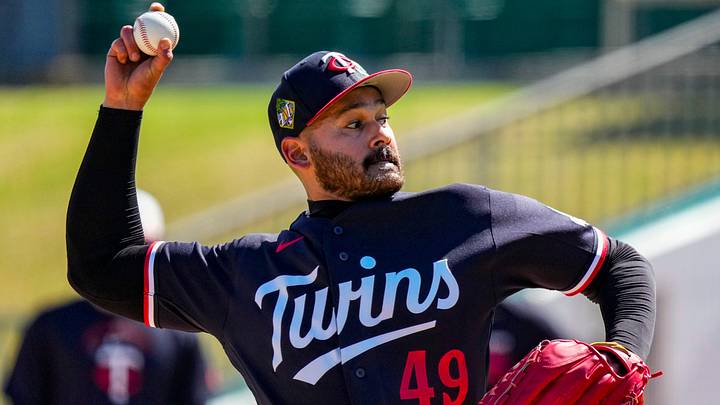
Concurrently, the front office must evaluate starting pitcher Joe Ryan. If the lockout comes, the Twins will lose out on their last year of control for Ryan and López. Signed to a one-year deal that avoids arbitration, Ryan’s contract contains a mutual option for next season. Because mutual options are rarely exercised by both sides, he is effectively tracking toward another contentious arbitration sequence—or free agency shortly thereafter. Ryan’s performance throughout June and July will dictate whether the Twins buy out his remaining arbitration years with a structural extension or use him as a primary trade chip to replenish a future farm system.
Finally, there is the foundational piece: Pablo López. Locked into a four-year, $73.5 million contract extension, López is under club control through the questionable 2027 season. While he is not an immediate flight risk, his hefty contract and injury loom large over a payroll that ownership is actively trying to trim. If the Twins continue to falter in the standings during this summer stretch, López becomes an incredibly valuable asset on the trade market. Shifting his contract would immediately clear vital financial breathing room ahead of the economic fog of 2027.
Ultimately, June and July are not just about winning summer baseball games; they are the definitive window for the Twins to choose between executing a foundational rebuild and determining the realities of a 2027 lockout.
 Add us as a preferred source on Google