

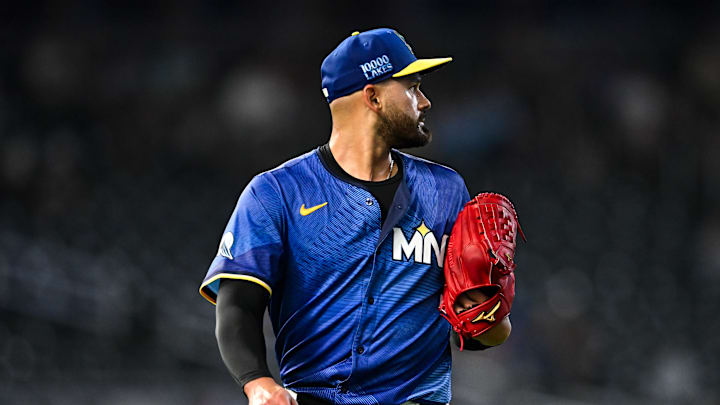
Despite recent front-office reports claiming the Twins plan to retain their core veterans, skepticism is warranted given the organization's recent financial behavior. Based on current contract structures, ownership mandates, and league labor dynamics, here are five reasons to remain skeptical the Twins will keep Pablo Lopez, Byron Buxton, and Joe Ryan.
1. The 2027 MLB Work Stoppage Risk
The current Collective Bargaining Agreement (CBA) expires on December 1, 2026. There is a genuine fear within the industry of a lockout or strike that could shorten or cancel the 2027 season.
- Pablo Lopez: His contract runs through the 2027 season. If the Twins keep him, they risk having his final year of team control evaporate into a labor dispute. Trading him now guarantees a return on that asset rather than risking it on a "phantom" season.
- Joe Ryan: Ryan is under team control through 2027. A lost 2027 season would essentially rob the Twins of his final year of arbitration, meaning they would lose a prime year of his services with zero compensation before he hits free agency.
2. Ownership's Debt & "Right-Sizing" Mandate
The Pohlad family has publicly cited the need to "right-size" the business, a corporate euphemism for aggressive cost-cutting. Reports indicate the family is dealing with significant debt, which has allegedly impacting team finances.
- The Cost: López ($21.75M) and Buxton ($15M) are the two highest-paid players on the roster.
- The Incentive: If the mandate is to get payroll closer to a rumored $90M (down from $130M), keeping nearly $37M tied up in just two players is mathematically difficult. Trading them is the fastest way to satisfy ownership's new budgetary reality.
3. Peak Trade Value vs. Diminishing Returns
Strategic front offices often trade players before they have just one year left on their deal to maximize the return package.
- Joe Ryan: He currently has two full seasons of control remaining (2026 & 2027). This is the "sweet spot" for trade value. If they wait until next winter or the 2026 deadline, his return package diminishes significantly because the acquiring team gets less guaranteed time.
- Pablo Lopez: A frontline starter with two guaranteed years is a premium asset. If the Twins aren't 100% sold on contending for a World Series in 2026, holding him burns valuable trade capital for a mediocre finish.
4. Buxton’s No-Trade Clause Leverage
While Byron Buxton has a full no-trade clause (and effectively 10-5 rights), his desire to win may override his loyalty to Minnesota. The clause may increase his return as Byron must be lured away.
- The Friction: After the team sold off key pieces at the 2025 deadline, veteran players like Buxton were understandably frustrated on the teams future.
- The Exit Strategy: If Buxton senses another "bridge year" or partial rebuild is coming, he may view waiving his no-trade clause as his only path to playing for a contender in his remaining prime years. The front office knows that if he is willing to move, they must act quickly before his health status changes lowering his trade value.
5. Uncertainty of the new Minority Owners Role
The Twins keep kicking the can down the road as to when they will announce the new minority owners and what that means for their future finances.
- The Impact: The loss of direction from ownerships keeps the fan base extremely skeptical on what moves the Twins may make.
- The Result: Without a solidified financial future, the Twins lack the reliable cash flow to justify a top-heavy payroll. Dumping costs creates financial flexibility to navigate the uncertain future landscape of MLB.
Until the moves happen the Twins front office is smart to declare intent with its fan favorites to sell season tickets. However from a logistical standpoint, plenty of skepticism remains.
 Add us as a preferred source on Google