

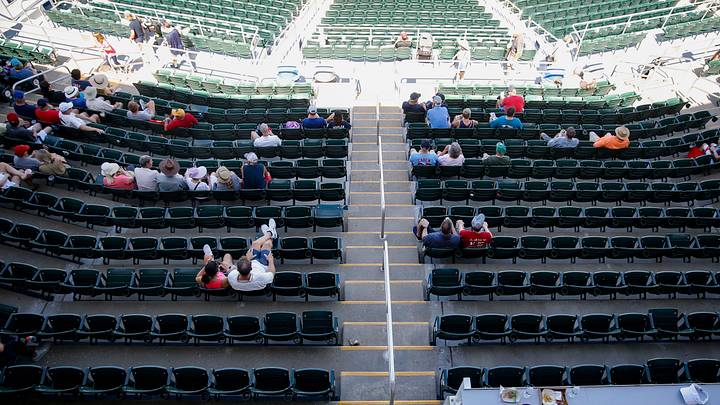
The Minnesota Twins find themselves in a precarious position where nostalgia and early-summer optimism are no longer enough to fill the seats at Target Field. For a franchise that built its modern identity on the "Bomba Squad" thrills and a beautiful open-air ballpark, the reality of 2026 is much harsher: Minnesota fans are officially refusing to get fooled again. Cue The Who music.
Attendance figures don't lie, and the empty green seats in downtown Minneapolis tell a story of a fan base staging a quiet, frustrated attendance revolt. The root of this apathy isn’t just a good or bad week in the standings; it’s a direct response to a cycle of mixed signals from ownership and management. For years, the front office has asked fans to buy into a vision of sustained contention. Yet, when the time comes to push all the chips to the center of the table, whether at the trade deadline or in free agency, the organization has repeatedly pivoted to financial austerity. The cutting of payroll, increased inflationary costs and regional television broadcast dramas have alienated a loyal Minnesota demographic that expected their investment in tickets and merchandise to be matched by ownership's investment on the field.
Twins fans still waiting for ownership to show a real commitment to winning
To hold on to relevance, the Twins are trying to walk a razor-thin tightrope. They are attempting to market a youth movement and technical, data-driven player development as a substitute for a talented roster. There is undeniable talent in the system, and when the pitching alignment clicks or the lineup strings together some runs, you can see the blueprint of what this team could be. But potential doesn't pay for parking, and fans have grown weary of being almost good enough as a continued valid excuse. They’ve watched too many prospective players battle injuries and too many payroll-conscious roster constructions stall out before October.
The Twins marketing department can run all the promos they want, but relevance in this market is now tied strictly to authenticity and accountability. Minnesota sports fans have become savvy. They recognize the difference between a team built to win a championship and a team built to merely skate by in a weak AL Central. If the Twins want to fill Target Field again and capture the Twin Cities' imagination, the front office must break the cycle of half-measures. Until ownership proves it is as committed to winning as the fans are to cheering, the turnstiles will stay quieter.
 Add us as a preferred source on Google